
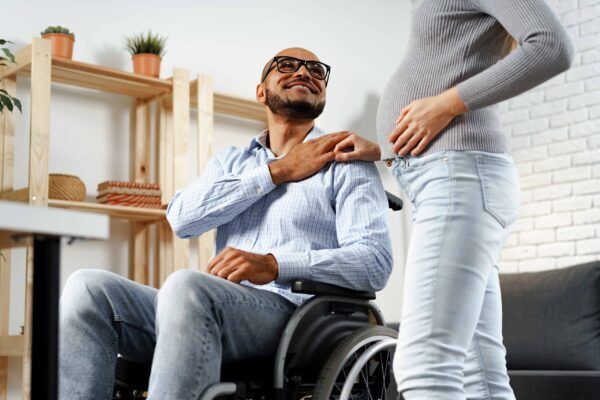
Reproductive autonomy is often discussed without considering how it intersects with disability rights. Yet many disabled people face unique obstacles, from institutional bias to legal guardianship, that shape or limit their choices. The overlap isn’t just ideological, but material, deeply embedded in systems of care and control.
Reproductive Autonomy and Systemic Constraints
The concept of reproductive choice presumes access, freedom, and informed consent. In theory, these principles apply equally. In practice, they fracture under pressure. Disabled individuals often find that their bodies are not fully their own in the eyes of institutions.
Read also: Soft2Bet inclusive technology platform
One might assume that guardianship laws, for example, exist to protect. But when those laws transfer medical decision-making to third parties, even for adults, the result is a system where some people can’t legally say “yes” or “no.” Not entirely. In certain U.S. states, women with intellectual disabilities must seek permission to access contraception, or worse, face coerced long-term birth control procedures without real consent.
That situation doesn’t emerge overnight. It builds, layer by layer, from assumptions embedded in healthcare policies, court systems, and care networks.
The Legacy of Eugenics and Legal Precedents
There are moments in history that don’t fully disappear, they shift form. The eugenics movement is often treated as past tense. Yet many legal instruments born of that ideology persist, quietly, in civil codes and regulatory practice.
Take the landmark case of Buck v. Bell (1927), where the U.S. Supreme Court upheld forced sterilization for “feebleminded” individuals. The phrase itself is archaic – the ruling, however, has never been formally overturned. That matters.
Across jurisdictions, variations of this logic remain in effect: laws that allow institutional sterilization, policies that bypass the consent of the person in question. People with cognitive or psychiatric diagnoses often find themselves watched more closely, spoken to more slowly, documented more thoroughly. It doesn’t always happen through the law. More often, it’s the briefing before the shift, the quiet assumption in a case file, the tone a doctor uses without noticing.
Institutional Settings and Unequal Access
To understand the structural gap, one must go beyond abstract rights and into real settings – care homes, assisted living facilities, group residences. In such places, reproductive autonomy is often not explicitly denied. It’s simply made unworkable.
Barriers include:
- Physical inaccessibility of clinics
- Transportation obstacles for routine appointments
- Policies requiring staff accompaniment for visits
- Lack of confidentiality when caregivers mediate communication

Each of these elements contributes to an invisible wall. For example, a woman living in a rural residential facility might need to travel over 100 miles for an abortion, but can’t leave without staff coordination and van availability. Appointments get postponed. Choices get lost in the shuffle.
Or consider the subtle friction: forms that must be filled out in print, medical explanations given too quickly, side effects minimized or misunderstood. Autonomy isn’t just about rights – it’s also about logistics.
Rethinking the Foundations of Reproductive Access
Justice, when spoken of too often, risks turning thin. To stay real, it has to notice what gets overlooked, like how disability reshapes what autonomy can mean in practice. The question isn’t whether to include disabled people in the conversation. It’s why they weren’t at the table to begin with.
Some paths forward are already visible:
- Shift decision-making away from substitute authority and back to the person affected
- Rework clinical spaces so that entering them doesn’t feel like entering a test
- Bring disabled voices into rooms where laws are written, not just applied
- Support learning spaces led by peers, where questions aren’t simplified before they’re asked
At stake isn’t just access, but the grammar of choice itself, who gets to speak, and in what tense. Maybe the conflict was never between movements. Maybe they were filed in different cabinets, spoken in different rooms. The real work is to reconnect what was divided.